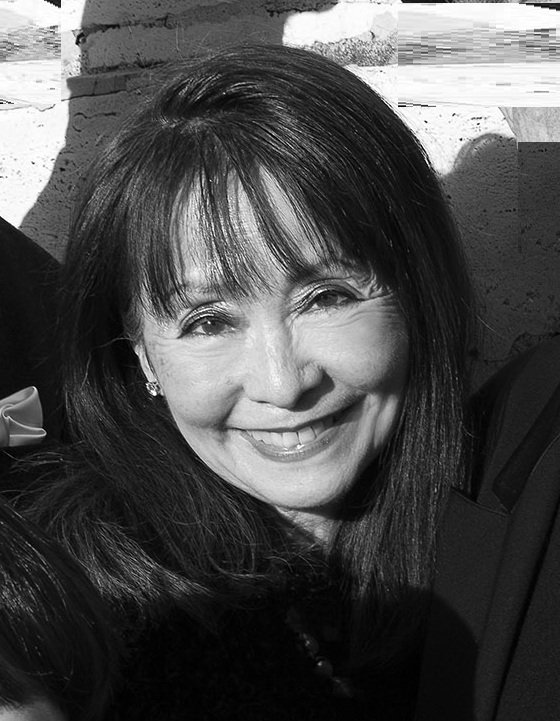
Anne Nakaoka Moss: Designer, Striver, Seeker
Anne Nakaoka Moss is an intriguing blend of seemingly contradictory qualities: a creative spirit tempered by a practical streak, an aesthete with a passion for fashion and the finer things in life, yet guided by a deeply ingrained inner compass that keeps her searching for truth and the meaning of life.
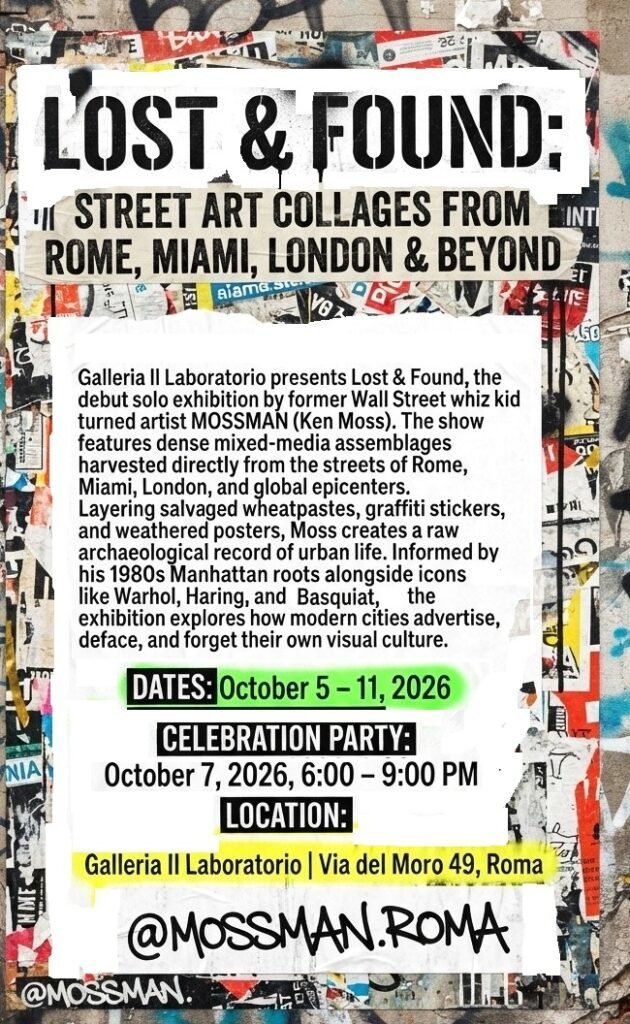
When I arrive at her beautiful home overlooking Trajan’s Column, Anne is busy making a hat and adding floral flourishes to a pair of heels for a Baroque-themed charity gala dinner a few nights away. As we settle in for our conversation at her dining table, she shows me stack after stack of neatly numbered squares of paper, which she is using to work out the placement of the collages in her husband Ken’s upcoming exhibition.
Sitting there sipping a glass of water, I find myself soaking up the beauty of the space, admiring everything from the niches she has transformed into miniature art galleries (one features a ceramic ear perched above a dried cluster of pepperoncino given to her as a good luck charm and housewarming gift ) to the bold black-and-white patterned accents artfully arranged around the sofas. The trace of Anne’s artistic hand is everywhere, as it has been in every home in which I have visited her over the course of her peripatetic existence.
It occurs to me that, in just the few minutes since my arrival, I have seen Anne in all her glorious, quintessential Anne-ness: tweaking ordinary accessories into more interesting fashion statements when she’s not creating them from scratch, meticulously helping her beloved husband Ken to bring his artistic vision to the world in his first exhibition, and infusing their living space with her distinctive flair, bold but harmonious. Just like Anne herself.
Born in Japan, Anne moved to California at age nine without speaking a word of English. She went on to attend Yale University, where she majored in Philosophy before moving to New York City to study at the Fashion Institute of Technology.
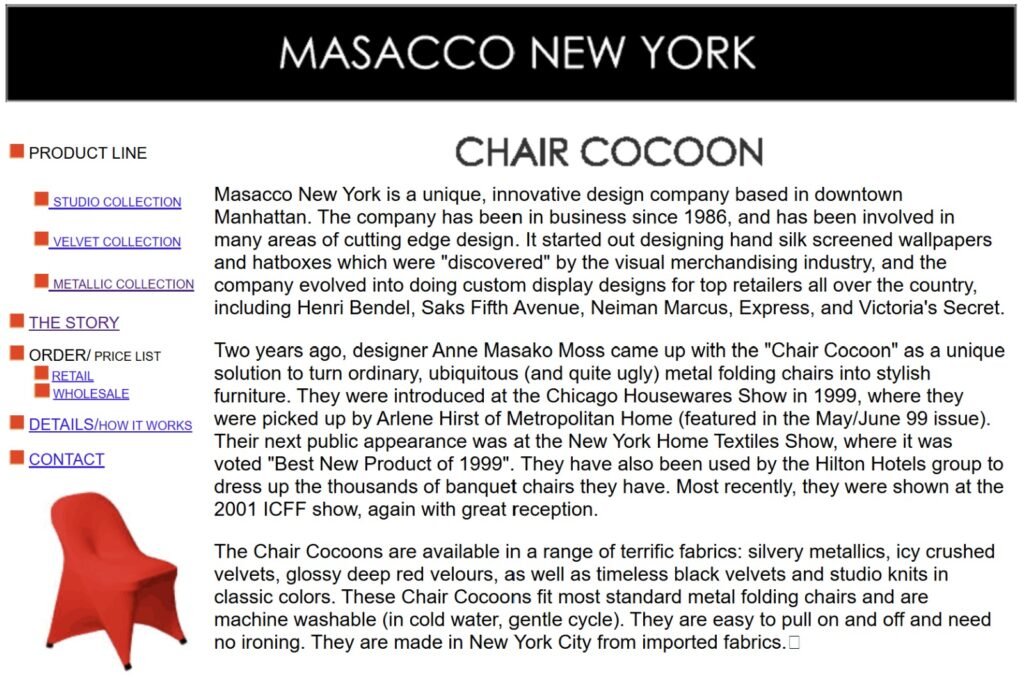
Her interest in fashion soon developed into a career in design, and visual merchandising and her creative career would eventually encompass more than clothing. Through Masacco New York, Anne explored decorative arts and interiors, creating everything from architectural wall decorations inspired by Piranesi to inventive home accessories featured in American design magazines. Together with her husband Ken, she also worked on visual merchandising, creating displays for major retailers including Bloomingdales and Victoria’s Secret.
The Power of Three
DESCRIBE YOURSELF IN THREE WORDS.
I’m creative, a perfectionist, I’m a seeker and also a striver, in that I’m always constantly reaching and trying to improve myself.
WHAT THREE THINGS COULD YOU NOT LIVE WITHOUT?
I like to think that there are very few things I cannot live without. I think people are and should be very adaptable. So other than the basic things like food and water, I think that the way that I would answer that question is what I would prefer not to live without…
Number one would be my husband: he’s the love of my life, my anchor, and he’s my world. Number two would be my green drink in the morning (it’s matcha with the green barley juice that my mother and grandmother always used to drink first thing every day) and number three, I would say maybe my computer.
DESCRIBE YOUR HUSBAND KEN IN THREE WORDS
He’s adventurous, outrageous, funny and fun.
IF YOU COULD INVITE ANY THREE PEOPLE FROM THE PAST, PRESENT OR FUTURE TO A DINNER PARTY, WHOM WOULD YOU INVITE AND WHY?
Right now I am very much into high tech, so I would want Elon Musk, Steve Jobs and for the third one I would want someone completely out of left field , like Woody Allen. I think that would be a really interesting combination for a dinner party…
I think that would be intellectually interesting, but, if for a different dinner party, on a more personal level, what I would really love to have is my mother, who passed away more than twenty years ago, along with my brothers and their families. Because I think it would mean so much to her to see where we are now.
YOUR THREE FAVOURITE FASHION DESIGNERS
Coco Chanel, Issey Miyake and Miuccia Prada.
YOUR THREE FAVOURITE STYLE ICONS
I’m fascinated by Comme des Garçons and Rei Kawakubo, the whole Japanese aesthetic… But, if I had to pick just three, I would say Coco Chanel, Jacqueline Kennedy and my mother.
A Childhood Between Japan and California
What did you imagine that you would be when you were growing up?
I’m not sure that I had a specific career in mind. I still remember that as a child we had to write an essay on what we wanted to be when we grew up, and then we had to ask our parents what they wanted us to be. I remember being really frustrated because my mother said she just wanted me to be a lady. She didn’t care, career-wise or otherwise. She just wanted me to be a proper person.
I would say I just wanted happiness. I also remember that in high school, for the yearbook, we were supposed to write what we wanted to be or what we wanted to attain in life. I remember writing, and this sounds kind of silly looking back, but it really wasn’t: “enlightenment.”
You were born in Japan and moved to California when you were nine. What do you remember most vividly about that transition?
Oh my God, it was so fabulous! It was like the first great adventure of my life. My mother had grown up in America, my brothers were born in America, and my grandfather, her father, was dying. She was basically going to America just to say goodbye, and she was going alone.
Then the night before she was leaving, my parents asked me, “Do you want to go to America with your mom?” And I said, “Yes.” So literally, I just left. I didn’t say goodbye to my friends. I didn’t have any kind of preparation. The next morning, I woke up, my bag was packed, and there I was, off to America.
For a kid in those days in post-war Japan to be given a chance to go to America, it was like someone asking, “Do you want to get on a rocket ship and go to the moon?” It was extraordinary. I remember all these fabulous things, this completely new world. It was all a fantasy. We had grown up with Disneyland cartoons and American television.
We didn’t know any English at all. Once we came to America, the rule was that we couldn’t speak Japanese. We had to start speaking English. We were in America, so no Japanese. We were actually fined by our parents if we were caught saying something in Japanese!
But the best thing was that we got to watch as much American television as we wanted, because that was the way we were supposed to learn. That’s how I learned English, watching American sitcoms from the 1960s. It was Gomer Pyle, The Beverly Hillbillies, Green Acres. It was all really silly stuff, but that was the best thing. Not only were we in America, but we could watch as much TV as we wanted!
Do you think growing up between Japanese and American cultures changed the way you looked at things aesthetically, or in any other way?
Oh, absolutely. In every way. I think the fact that I grew up in Japan and had that whole world, environment and aesthetic as my basis, and then came to America and saw a completely different world at a young age, really opened up a whole new world to me.
It basically taught me that there was so much that was possible.
I’m forever grateful to have had my background and roots in Japan, and then to have had the opportunities of being in America and growing up in America.
Is there anything about your Japanese background or aesthetic sensibility that you became more conscious of after leaving Japan, or looking back now?
Yes. After I left Japan, I didn’t go back until I was an adult. When I started working in fashion, I worked for companies that were doing business with factories in China and Hong Kong, so I would get sent to Hong Kong a few times a year. At that point, I started going to Japan as a side trip.
So, from the age of nine until about twenty-five, I didn’t go back to Japan at all. When I did go back, I realized that it was still my roots and my culture. Even now, when I go back, there is a feeling of coming home.
I really don’t feel very Japanese at all, but I realize that it is very much a part of me and my basic makeup. Certain things, like food, made me realize that too. When I had health issues earlier this year, my sister-in-law was so sweet. They visited me in Miami, and she brought all these Japanese foods and started cooking for me. She said, “You’re Japanese. You need these foods to build up your body.”
It was fabulous. I was having trouble eating a lot of things, and she really fed me. It made me realize the importance of these things that you don’t really think about, but that are so fundamentally important.
On another level, I also realized that a lot of the issues I have, in terms of anxieties or worries, may be connected to the fact that I grew up in post-war Japan. I was born in 1955. It was still a devastated country. It had just suffered this horrible defeat, dishonor and massive destruction, and that was where I spent my childhood.
I realized that, unknowingly, I internalized all of that. I’m sure it affected my personality and who I am. When I try to grapple with things and better myself, I think part of growth is analyzing and understanding the root cause of whatever issues one may be having.
I’ve always admired your sense of aesthetics, from the way you dress to the little niches you create in your home. Looking at the one behind you now, I’m reminded of the importance of negative space in Japanese art. Do you think your Japanese upbringing has influenced the way you arrange things and perceive beauty?
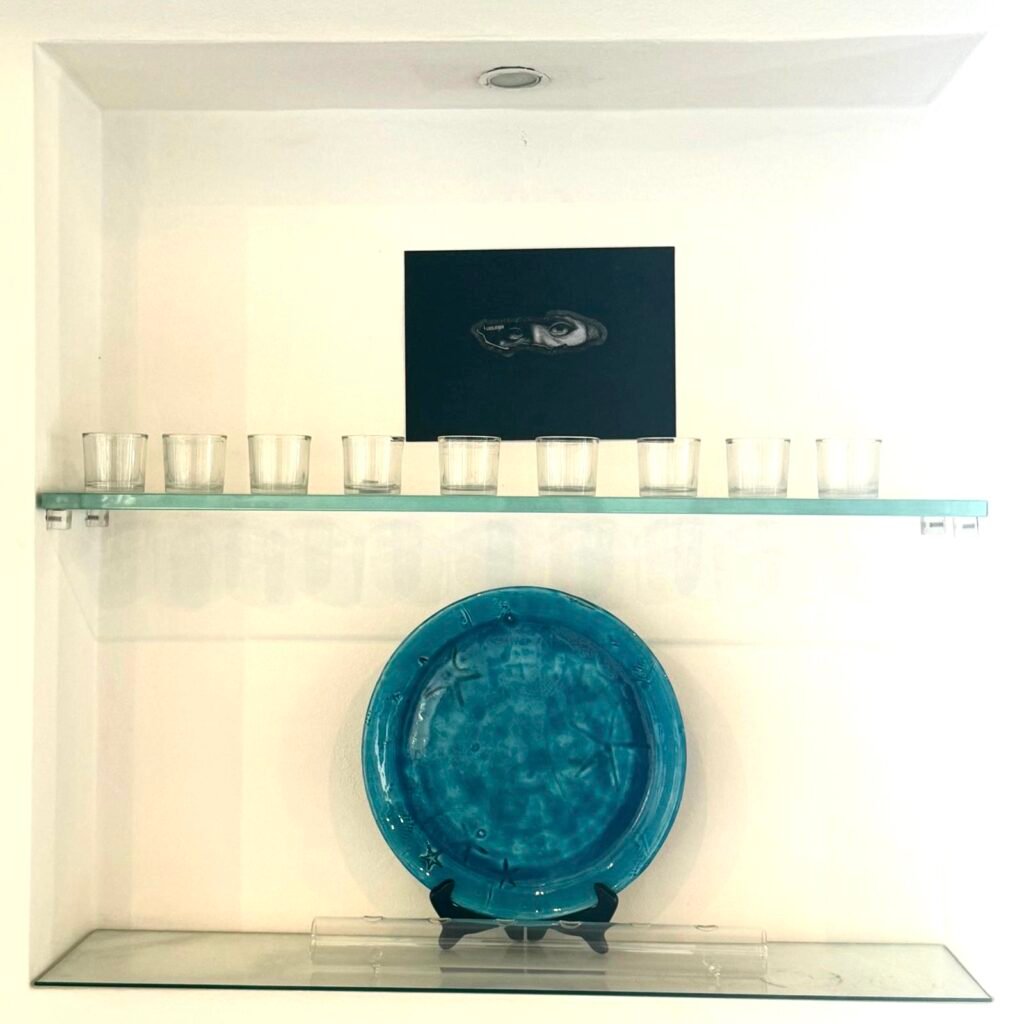
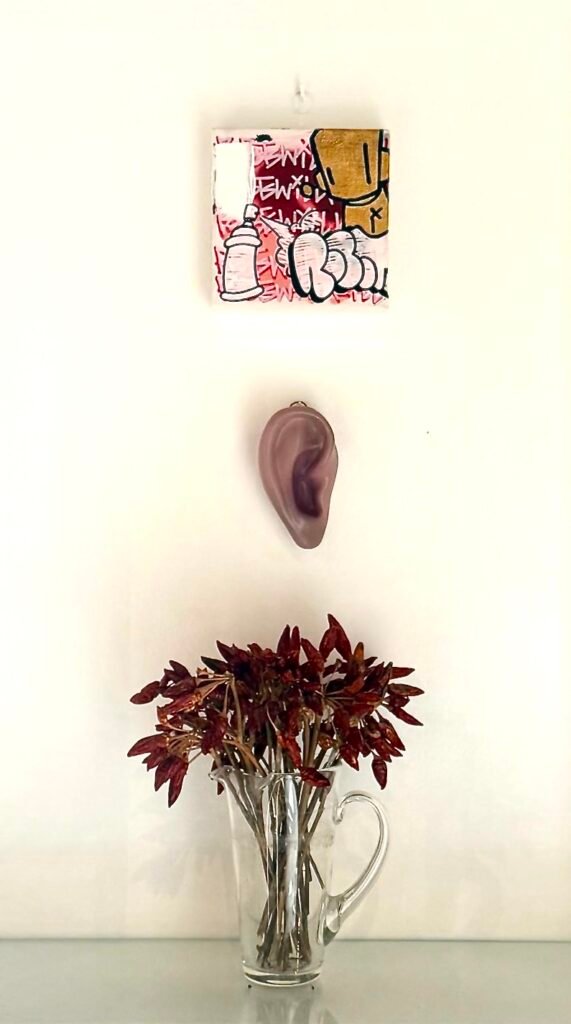
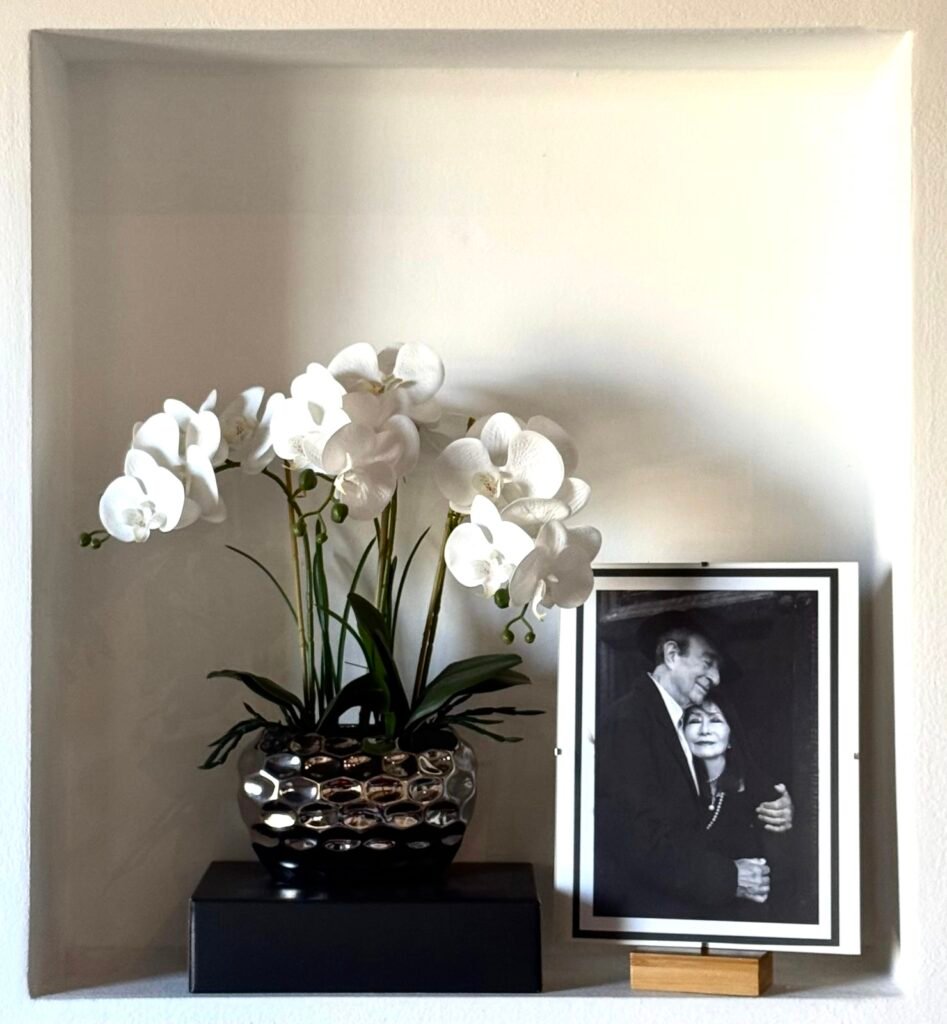
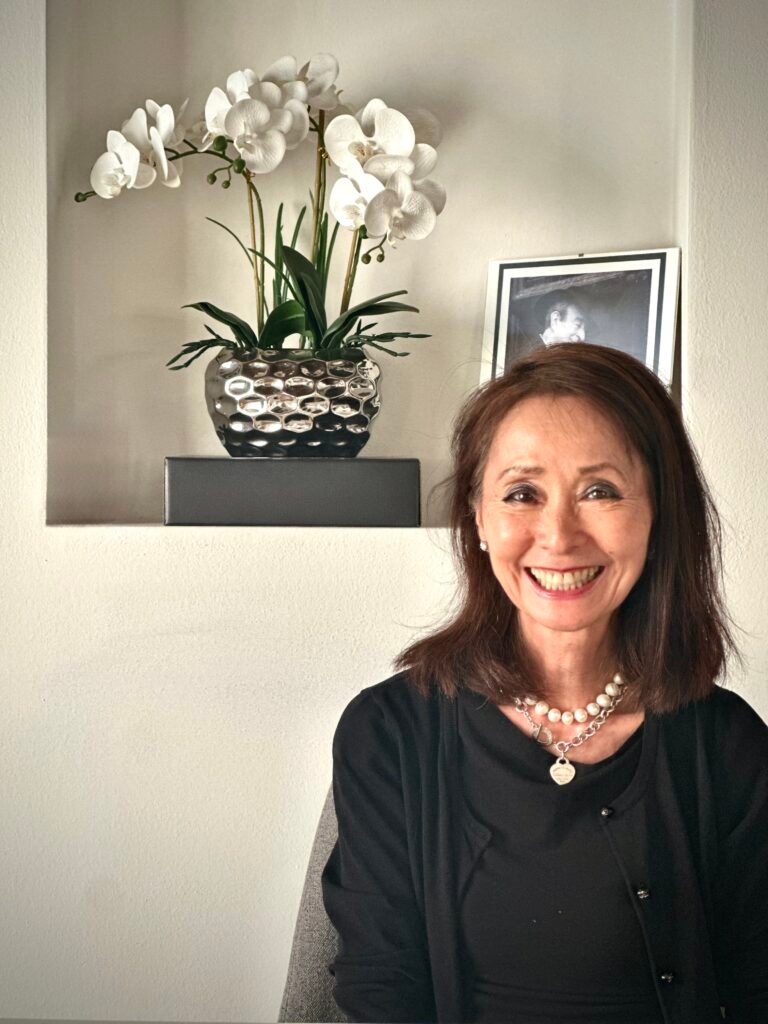
Various niches in Anne’s apartment, including one with her treasured portrait by renowned photographer Dirk Vogel
Not necessarily specifically Japanese. Obviously, my sensibility was initially formed in that environment, but I think I have a very specific sense of style and a visual sense of what I like. It’s funny, because my mother told me that when I was really little, before I could even walk, I would crawl around rearranging everything. It would drive her nuts.
She would put things back the way they were, and then I would go and rearrange them again. Eventually she realized that she actually liked my aesthetic. That’s one of the things I remember. It used to drive her nuts, and then she just accepted it.
I think I’ve always been very visual. Wherever I am, even if we’re just going to a restaurant for dinner, I look around and I’m always redesigning everything in my head.
We’ve stayed at fifty or eighty Airbnb’s over the past few years, and I’m always visually rearranging things. Obviously, I can’t do very much because they’re other people’s spaces, but while I’m there, I’ll rearrange as much as I can.
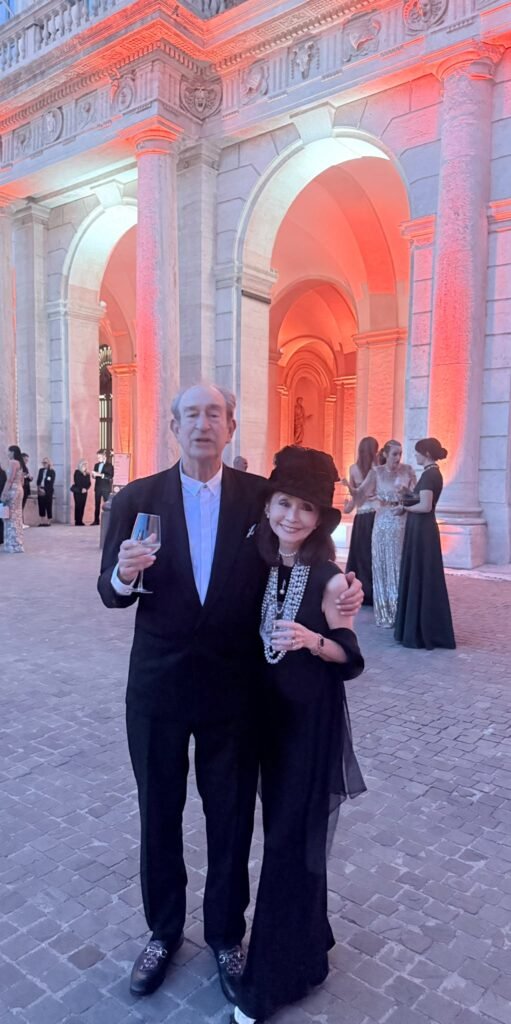
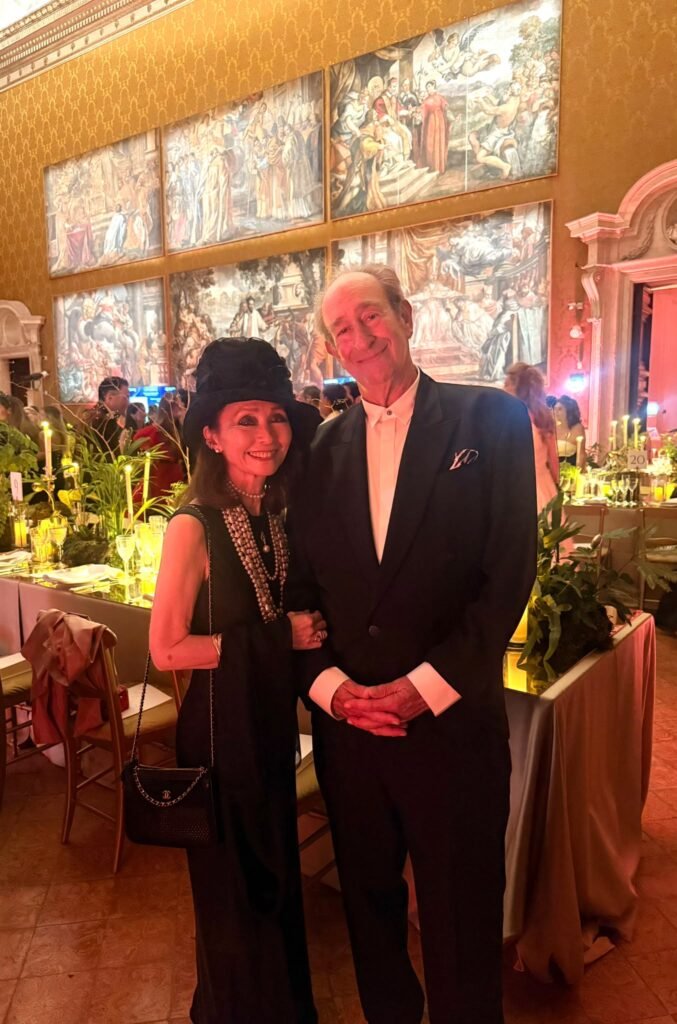
Anne with her husband Ken, at the charity gala dinner that took place a few days after this interview, wearing a hat she made herself.
Sounds as if you’ve always been creative, even as a toddler. Were you interested in clothes, art, drawing, making things?
I was always interested in making things. I was always kind of a do-it-yourselfer.
When we were still in Japan, my grandparents were in America, so they would send us the best toys from the U.S. We were the envy of all the kids because we had American toys in 1960s Japan. One of the presents was a crochet kit. All the instructions were in English, but my mother wasn’t home, so I just started and made up my own way of crocheting. When my mother came home, she thought, “Wow, this looks really great.” I had just made it up.
WHAT YALE GAVE HER
WHY YALE? WHAT WAS IT THAT MADE YOU WANT TO GO THERE?
I wanted something different from just spending my life in California.
My parents had just had a very nasty divorce, and my mother was on her own, so my whole family thought that I should stay in Los Angeles. My whole family went to either USC or UCLA, so they all expected me to stay and do that. But I always knew that I wanted to go off on my own, and I saw Yale as an opportunity.
As far as why I chose Yale over some of the other places, they seemed to have the most open kind of engagement. This sounds frivolous, but they always had really great parties and welcoming committees. There were all these Ivy League outreach events, “Come to Yale,” “Come to Princeton,” or whatever, but there was just something I really liked about Yale.
And in those days, we didn’t maniacally research Yale versus Harvard versus Princeton. It just somehow appealed to me.
WHY PHILOSOPHY? WHAT DREW YOU TO IT AT THAT AGE?
I think I was always really drawn to philosophy.
When I chose it as a major, I didn’t really know the academics of philosophy. I had more of a romantic notion of studying something and trying to figure out all these questions, like the meaning of life and why we’re here. Those were always questions that I had.
Fortunately, it was also a time when you weren’t necessarily driven to just go after a career. It was a fabulous time. Kingman Brewster was the president of Yale at the time, and he was fabulous. In the welcoming speech he gave to the new students, he argued against what he called “grim professionalism.”
It was essentially: you’re here for a few years, you’re still young, this is a time to explore. Whatever you’re curious about, pursue that instead of worrying, “Oh my God, what am I going to do after I graduate? How am I going to pay for my student loans?”
That really struck me. I realized, okay, that’s what I wanted to study.

WAS THERE A PARTICULAR SCHOOL OF PHILOSOPHY THAT RESONATED WITH YOU?
Yes. I loved the ancient classics first. That’s the basis of philosophy, Plato and Aristotle.
Then I segued more into the French existentialists.
LIKE CAMUS?
Yes. And Sartre. And even though he’s not French, Kierkegaard. I loved the questions that they asked and the whole mode of trying to figure things out.
WAS THERE A PROFESSOR, CLASS, BOOK OR IDEA AT YALE THAT FUNDAMENTALLY CHANGED THE WAY YOU THOUGHT?
No, but I did have a fabulous professor when I was doing my final thesis. There was a lovely professor, George Schrader, and we would have these long talks into the night. He was a real mentor. He really encouraged me to be myself, explore myself and expand my own horizons instead of just getting caught up in the academics of it all.
DO YOU REMEMBER WHO YOU WERE WHEN YOU FIRST GOT TO YALE? HOW WAS THE ANNE WHO GRADUATED DIFFERENT FROM THE ANNE WHO ARRIVED?
I think when I first got to Yale, I was much more innocent and spirited. Yale was a fabulous experience, but it wasn’t always fun and games. You’re eighteen years old and you arrive in a new place, with all the pressures. I had always been used to being the smartest kid in the class, getting straight As, being valedictorian. Everything had come so easily for me.
Then I got to Yale and it was like, “oh, I’m just average.” Everybody was a valedictorian and had all these elite educations. So it was very sobering.
But by the time I graduated, I think I had a lot more confidence in myself, and I was much more ready to go out into the world on my own.
Those were really the most valuable things I got from Yale, aside from the academics and learning philosophy.
I also learned how to think and how to write. Those are incredibly important skills. They’re things you use for the rest of your life.
WHAT WAS IT ABOUT BEING AT YALE THAT MEANT THAT YOU LEFT AFTER GRADUATION MORE CONFIDENT, NOT LESS?
I think just surviving!
I wasn’t your typical elite student with a high-class background and a prep-school education. I was a public-school student. So I realized that I could make it in that world. I struggled a lot, but I also had a fabulous time.
It was a really great time. My 50th reunion is next year and I am absolutely going to go!
WHAT DID YALE GIVE YOU THAT YOU DON’T THINK YOU COULD HAVE LEARNED ANYWHERE ELSE?
I think the best thing, in a way, isn’t really a learning thing.
I didn’t become a lawyer or go into a Wall Street firm where an Ivy League education is crucial. But what I realized is that a Yale education gives you a whole community that stays with you for the rest of your life…The whole Yale Club thing, the Yale clubs everywhere, Yalies everywhere. They’re a pretty damn interesting group of people! It’s been fabulous. So beyond the education, I would say that’s the most amazing thing I got from Yale.
LOOKING BACK, IS THERE A CONNECTION BETWEEN STUDYING PHILOSOPHY AT YALE AND THE WAY YOU LATER APPROACHED FASHION, ART OR VISUAL CULUTRE? DID THAT ONLY BECOME APPARENT LATER?
I don’t think there was a connection between philosophy and fashion. Going into fashion design was just a tremendous leap into the unknown for me.
IF I HAD MET YOU WHEN YOU WERE STUDYING PHILOSOPHY AT YALE AND TOLD YOU THAT YOU WERE GOING TO BECOME A FASHION DESIGNER IN NEW YORK, WHAT WOULD YOU HAVE THOUGHT?
I would have thought that was highly improbable. It was not something that was in the plan.

At the Yale Assembly in New Haven, during Anne’s time on board of the Yale Alumni Association of New York
Fashion, Business and Working with Ken
How did you actually make the leap from Yale philosophy to fashion design in New York? Was there a particular moment when you decided, this is what I’m going to do?
There was no specific “aha!” moment. I think as I was approaching senior year, everybody was trying to figure out what they were going to do after graduation. Most people were going to law school, medical school or graduate school.
I realized that wasn’t for me. Academia had been fabulous, but I didn’t want more and more academic education. I wanted to do something creative and visual and something real.
Fashion design, I don’t even know how I came up with that… I think I just gravitated toward moving to New York. When I was at Yale, on vacations or weekends, you would go into New York, and it was fabulous. It seemed like a natural thing for me to move there.
Actually, it’s a really good question, because I don’t even know exactly how it all happened!
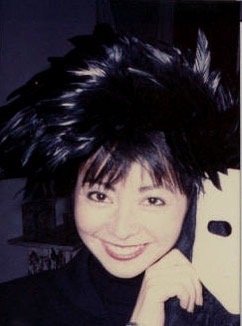

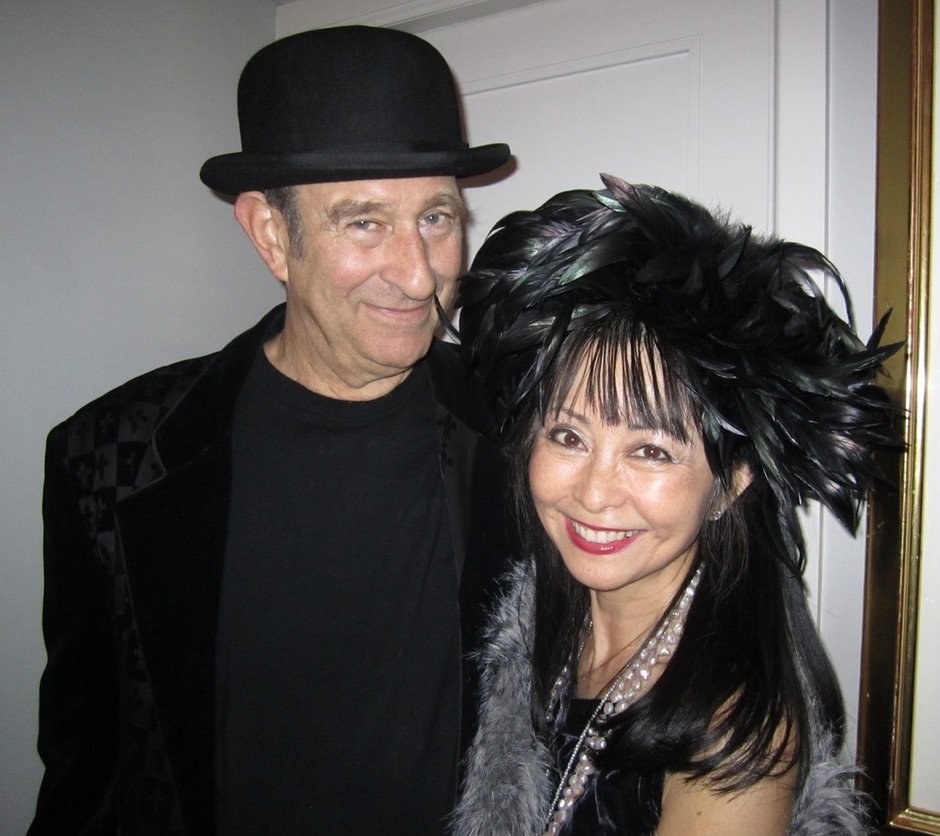
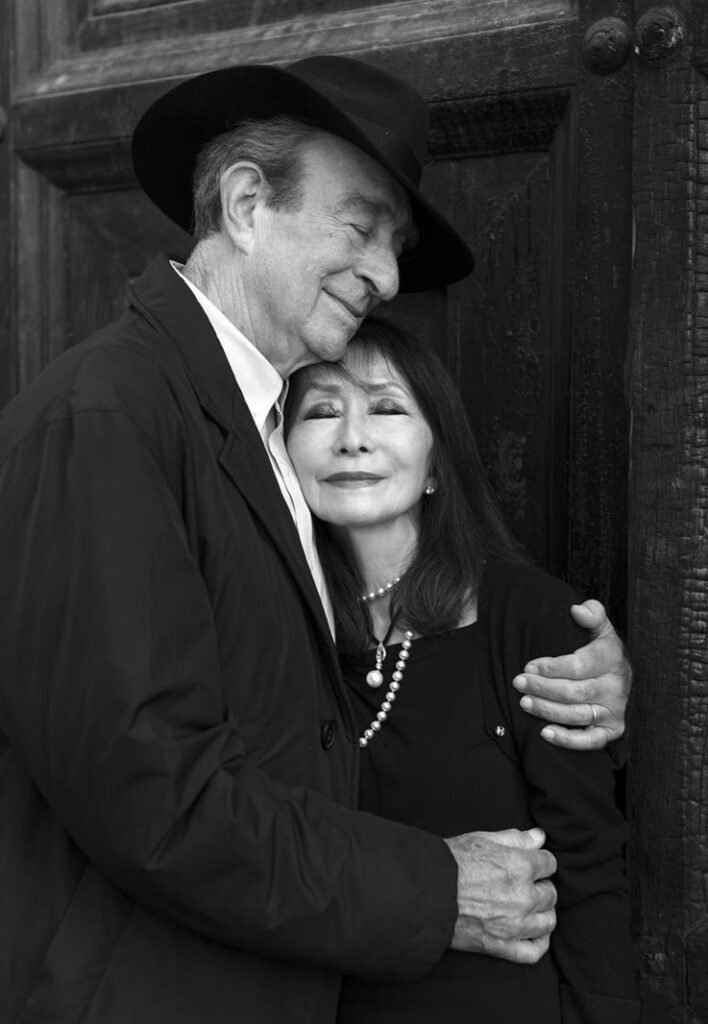
Anne and Ken through the years, all photos courtesy of Anne
Where did you study fashion design after Yale?
I went to FIT, the Fashion Institute of Technology. I think when I chose fashion design, I really had no idea what the reality of it would be. Had I known, I probably would not have gone into it.
In retrospect, I think it was perhaps not the best fit for me. I was successful; I had good jobs. But as far as really excelling and being really great at something, I don’t think that was my thing. I had wonderful jobs, and I don’t regret having done it because I met Ken through a friend I went to FIT with.
You look back on life and think, “Oh, I should have done that,” but then it’s the road not taken. You don’t know what would have happened. So, I’m glad I did it, but not necessarily because it was really the right thing for me.
Meeting Ken was really transformative. He taught me a lot about business, and we went into business together. We were an excellent fit.
As far as fashion and fashion design, I really had no idea what I was getting myself into. Fashion is a very creative endeavor, but it’s also big business, run by huge corporations with all these agendas. You really have to fit into a pigeonhole.
It’s a very tough world. My best friend is still a designer in New York, and I see what she goes through. It’s a tremendously stressful job. So occasionally when I meet a young woman who hears, “Oh, you were a fashion designer in New York. I want to do that. What can I do?” I don’t want to crush her dream, but I also want her to be cognizant of the reality of what she’s getting into.
But I think that’s true of almost anything. When you’re twenty-two or twenty-four, how can you expect to know what you want for the rest of your life? The great thing about America is that you can kind of stumble around. For me, fashion design was probably a stumble, if I really have to admit it. But it all worked out fabulously.
You once gave up everything to spend a year in Paris. What were you searching for?
I was inspired by Hemingway’s A Moveable Feast, particuarly his idea that living in Paris as a young person is an experience that stays with you for the rest of your life.
I was 29, working in fashion in New York. I had a very good job with a big company, but I realized that I didn’t want to spend the rest of my life going from job to job on Seventh Avenue.
So, I quit my job, took my small life savings, sublet my apartment, and found an apartment in Paris through the Village Voice, the New York local paper at the time. I threw myself a big going-away party, with the Hemingway quote posted on the door, and off I went to Paris to follow my dream.
It was serendipity. Those were still the days of the French franc, and the usual exchange rate was four francs to the dollar. During the year I was there, it was ten francs to the dollar, so my small savings more than doubled in value!
And was Paris everything you’d hoped it would be?
I was so happy living in Paris, so awestruck by its tremendous beauty, that sometimes I would walk around and just start crying. I was that moved by its beauty!
Six months into my stay, I was running out of money. So I stood in a phone booth on rue Étienne Marcel and sold the entire contents of my New York apartment to my tenant. I arranged for a friend to go in and take out my clothes, books and personal belongings. That bought me another six months in Paris.
Eventually I was completely broke and had to return to New York. I designed a small clothing line for a woman I’d met in Paris who owned a couple of boutiques in New York.
Then, a few months after my return, I met Ken and my life changed!
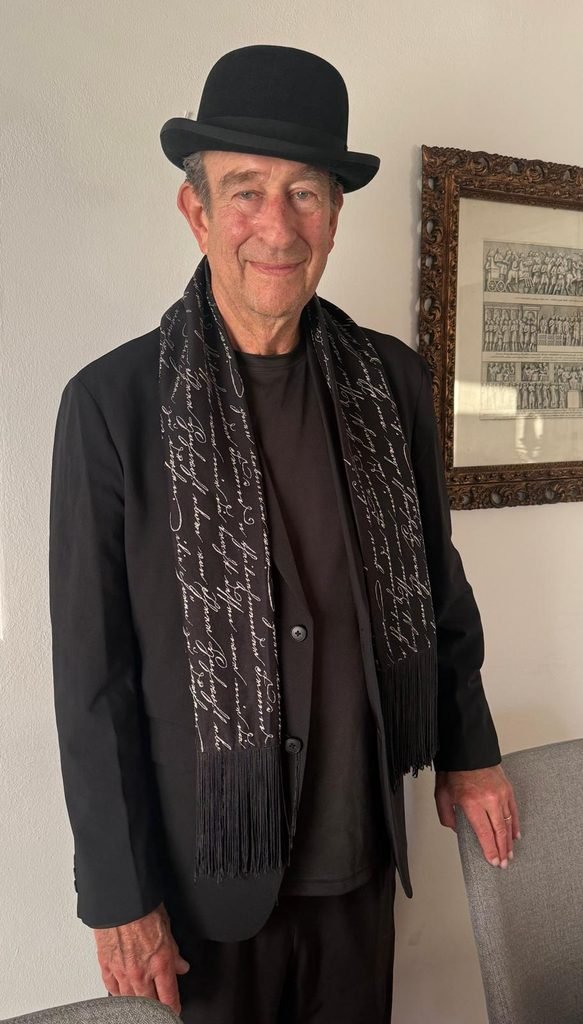
If you could go back and meet yourself at eighteen years old or twenty-two, and you still get to meet Ken no matter what path you took, what would you do differently? For example, do you think you should have gone to art school?
No. I think I would have been much better off in business and management! Even if I had gone into fashion, I think my talents may have been better suited to the business and management side rather than being a designer. After I met Ken, I learned everything from him. He’s a fabulous businessman.
And you went on to build several businesses together. How did that partnership work?
We were a fabulous match. He was a very smart businessman, I was creative. For the first time, I had a partner who could actually utilize my talents, monetize them, and build them into a business.
We did some fabulous businesses together. We were doing visual merchandising for really big companies in the U.S. and it was wonderful. Then we did some real estate investments together. So we did a lot of business and investing.
He says you’re very good at the stock market.
Oh, that’s a whole new thing that I’m going into.
He says you’re amazing at it.
That’s so sweet. He’s my biggest fan, and he’s wonderful. And the stock market is a whole new thing that I’m fascinated by now…And somehow, it turns out that I have very good instincts for it! I started investing about 15 years ago, and I went heavily into the Magnificent 7 stocks, before that term was coined and that gave me a good cushion to start taking more risks. Now I’m fascinated by AI stocks. I don’t do a lot of maniacal research into the fundamentals, I look at the overall macro trends of what is going on in the world. I also have a good friend and mentor who I respect and listen to. My brother recently asked me what makes me so good at this, and I started to write to him and stopped, because it seemed like such hubris and I don’t want to whip the stock market gods. It can be a cruel task master!
A Life Between Cities and “Following the Sun”
You and Ken divide your time between Miami, London, Paris, Rome and New York. I remember that when I first met you, you mentioned that you had gone years without a conventional fixed base, moving through different places and almost following the sun. You even had a spreadsheet to keep track of where you had stored your clothes. What does this way of living give you?
I think it’s important to keep things fresh.
It’s always very stressful for me during the last week or two somewhere, when we have to transition and I have to pack everything up. There’s a lot of logistical stuff that I have to deal with, preparing for the new place. I tend to get very obsessive and very frazzled.
But then when I get to the new place, I’m full of this new energy, because these are all places that we love. We’ve traveled a lot all our lives, and the places that we go to now are our favorite places.
So, when we get somewhere new, there’s this new energy and this new life.
I think it’s very easy to become complacent. You get used to your environment, you get set in your ways, you get into a routine. Then when you’re uprooted, it can be disturbing, but at the same time very creative and energizing. That’s what I always feel.
These places are also so different, and I’m fascinated by that. I think it’s extraordinary that we live in a time when you can get into a metal tube and ten hours later be in a completely different world. That didn’t happen a century ago. It’s an extraordinary blessing, and I’m so happy to be able to take advantage of it.
The great irony is that we’ve been essentially homeless for more than fifteen years. This is the first place that we’ve really had, and even this isn’t permanent. It’s a rental. We don’t know how long it will last. We’ve been here about two years, but we’re only here around five months a year, so yes, it’s a home base, but it isn’t completely a home base.
The irony is that I consider myself a complete homebody. For me to be a homebody and not have had a home for more than fifteen years is mind-boggling. But I’ve been really happy with it.
Maybe you’re a homebody within each of those temporary homes. You make each place your home and then enjoy your time there to the fullest?
Exactly. I quickly make it my home.
By rearranging things, or are there certain things or rituals you always do in every place?
It depends on the place. If I’ve chosen well, I don’t have to do very much. Sometimes you show up and think, “Oh my God, this is a nightmare.”
But I’ve learned how to make a place home. I do a maniacal amount of research to make sure it’s going to be somewhere we’ll be happy, especially if we’re staying for two or three months. We’re doing longer stretches in places now.
I keep a journal of everywhere we’ve gone, and when I look back, some of the trips were crazy. We were all over the place. Now it’s much more like a month here, two months there, another month somewhere else.
Do you try to return to the same rentals in Miami, London or Paris?
We try to if we find somewhere we like, but it’s rare that something is consistently available.
You’ve said you’re “following the sun.”
Right, following the sun. We go partly by the weather. But we’ve also traveled enough to realize that we’re urbanites. We need every place to be a great cultural capital. So we gravitate toward the great cultural capitals of Europe: Rome, London, Paris, Madrid.
Miami is fabulous because the weather is wonderful in the wintertime, and it has a fantastic street-art culture. It’s almost like not being in America. Everybody speaks Spanish, there’s fabulous Cuban food, and it feels very ethnic and exotic. There’s a really lively energy –that’s very important to us.
We also love art and museums, and having access to all the cultural things, the ballets and the operas when they’re in season.
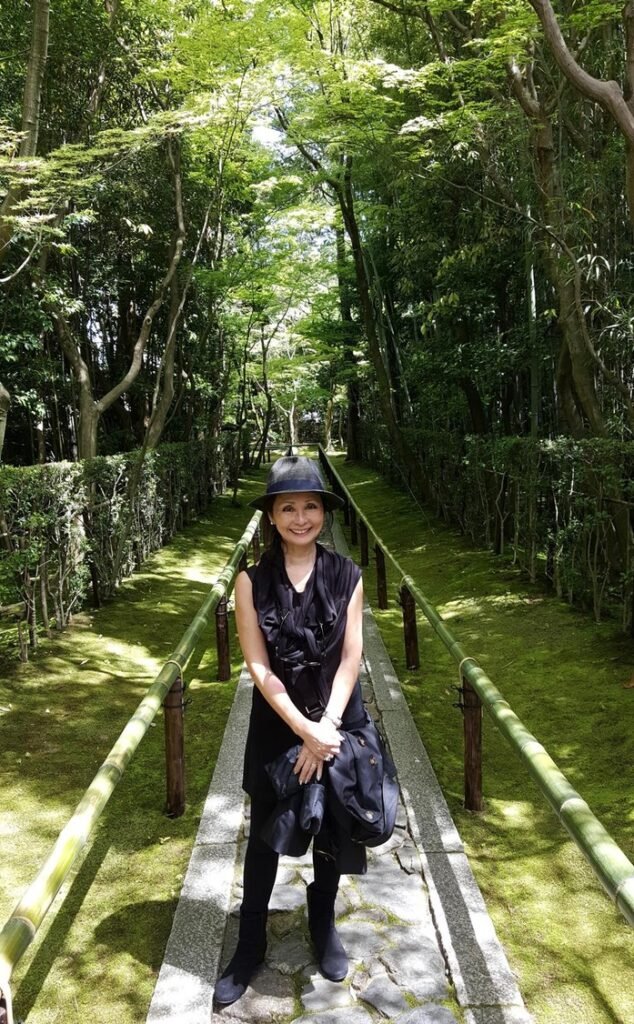
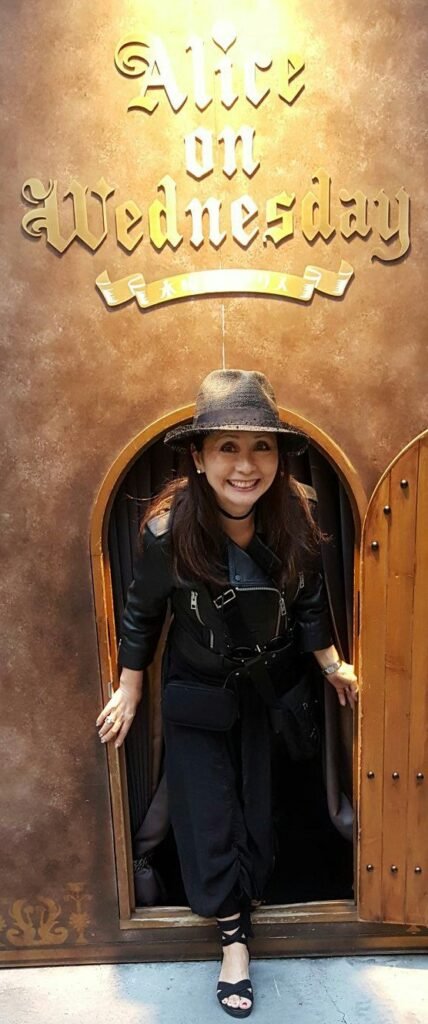
Anne at a bamboo garden in Kyoto and coming out of a room in a quirky fashion store in Osaka
Rome
What surprised you about Rome, and what keeps bringing you back?
Rome is just the most fabulous place! I could go on with all the clichés and superlatives, but they really fit. It really is eternal.
I look outside and we’re surrounded by history. The sheer amount of history, and everything that has happened here, is extraordinary. There are remnants of all of it still here. You can walk around and touch the stone, and you feel that sense of history. There’s something in the whole vibe of the place. There’s tremendous energy from the millennia of life that have happened here, a fabulous liveliness and energy.
But the flip side is that Rome is really weighed down by the past. It’s fabulous, but there’s also this tremendous responsibility of looking after all these historical and cultural artifacts. It’s a major gift, but at the same time, an enormous responsibility.
They’re building the subway, for example, and instead of simply building a subway, which they badly need, it’s going to take twenty years because they’re creating this extraordinary museum with all the different levels of archaeology they keep encountering.
It’s fabulous, but at the same time, they actually need a transportation system. And not in twenty years. I suppose that’s one of the differences between Americans and Italians. The Italians really look at the long term. You think about the Vittoriano and how many decades they spent building it. So twenty years to build a subway is almost nothing — but they do it right.
That’s the weight of history, and I think about that a lot.
I also think about countries like Germany and Japan after World War II. They were devastated and essentially leveled, which was horrible. But the flip side was that they had a blank slate on which they could build cities of the future. Obviously, that isn’t something anyone would choose. But it happened.
And I think both Germany and Japan were able to make great progress because of it and become, in many ways, cities and societies of the future.
That’s an interesting way to look at it.

Ken Moss: Art, Love and an Unexpected Discovery.
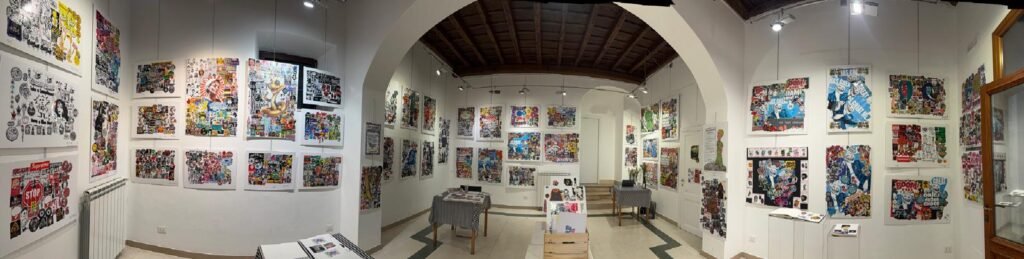
Let’s talk about Ken’s show.
This whole thing has been a tremendous surprise.
I’ve been with Ken for forty years, and he’s probably been doing this for five or six years. At first I thought, oh, it’s a nice hobby. It gives him something to do. It’s harmless. He’s out in the streets, and it’s good for him.
Then it really started growing and evolving, and it showed me a completely different side of him, a side I never realized he had.
I was always the artist and the visual person. I was always the one who did everything. Then I realized, oh my God, he wasn’t as inept as he pretended to be. He was only inept at things he didn’t want to do –it was ineptitude by convenience!
But it’s been a tremendous surprise, and I’m also very impressed that he’s stuck with it for so long. It’s really an obsession and a passion, something that truly moves him.
I think that’s fabulous. It’s fabulous to have something you’re passionate about when you’re eighty years old. And he’s not just collecting things. He’s actually creating new art with them. For me, it’s been wonderful to see and watch that progression.
Trying to organize the exhibition has been a lot more work than I thought. Even figuring out how to hang everything has been complicated. I finally figured out the way to hang it all, and then there’s organizing what goes where and hoping that it all makes sense visually.
We’ve been laying things out here, but a lot of it will just happen once we’re there.
I think it’s really exciting. At first, I thought it was a little frivolous. I didn’t really think it was art. I thought he was just taking things off the street and slapping them onto whatever.
In the beginning, he really was just collecting things. But then I realized that he obviously has a real artistic sensibility, and somehow that has come out. This medium really works for him.
What’s also very interesting is that when I met him, he was a man about town in downtown New York and something of a patron of the arts.

You told me that when you first met Ken, on that famous Sunday lunch date, he said he was going to look at some East Village art that he wanted to collect. That was almost your first date.
Exactly.
So in a way, you two met through art?
Exactly. That has always been part of him. He’s always loved art. We love going to museums together. At that time he was building a fabulous collection of East Village art — it’s very interesting, and some of it has actually become quite valuable. He has Keith Harings and things like that.
But I’m really fascinated and impressed by what he’s doing with it himself now. They’re collages, and collage is definitely an art form. It’s also found objects. The Dadaists and the Surrealists did that. I’m not trying to elevate his work to Dada or Surrealism, but I think it’s all very fun.
I think about Joseph Cornell and his boxes. That became an entire art form. And I love found-object work. Obviously there’s Duchamp and Fountain. There’s a lot of conceptual art that isn’t necessarily somebody sitting down with a paintbrush.
Which is your favourite piece in Ken’s upcoming show and why?

I love the colors, the 60s London vibe, and who doesn’t love Twiggy?!
After curating Ken’s show, you fell in love with another piece. What’s your new favourite work by Mossman and why?
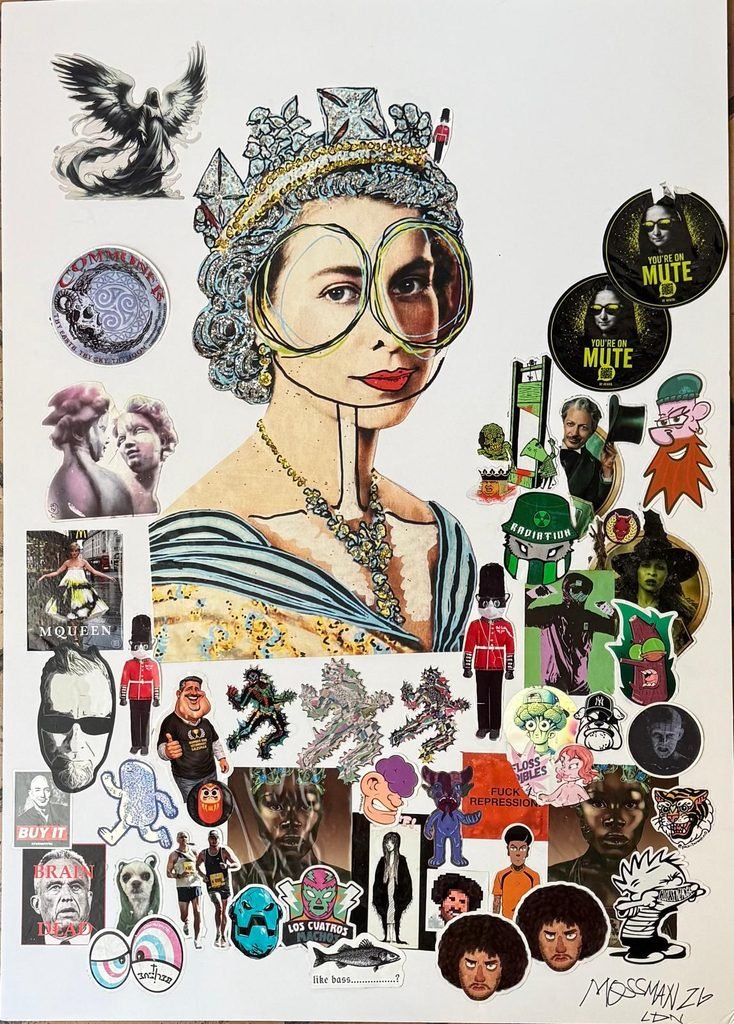
First of all, it’s very British and very London, the Queen is depicted beautifully, she actually has real jewels glued on. But then there is the high/low aspect of Her Royal Highness surrounded by street graffiti! I also love the cats in the Beefeater costumes — I mean, how crazy is that?!
What did you see in Ken’s work that made you think it was time to show it? When did you realize this wasn’t simply an eccentric habit, but a serious artistic practice? Was there one moment?
There wasn’t one moment. It really evolved. A lot of his work is influenced and created by the materials that are available around him.
In Miami, it really exploded. Miami has this fabulous street-art culture, with giant buildings covered in murals. When we were there, his art really transformed.
It started moving beyond just collecting things. I would say that really happened this year, when we were there for five months. That’s when he started making these large pieces on boards.
At first I freaked out. I thought, “What are we going to do with this stuff? We’re only here for a few months, and then we’re going back to Rome. How are we going to ship all of this?”
I told him, “I can’t deal with this. You’re on your own. You’re going to have to figure out a way.”
But of course, I ended up ordering the boxes and figuring out who could ship everything. So yes, it really transformed and grew in Miami. Before that, he was mostly working in notebooks, partly because I was trying to keep him contained so I wouldn’t have to deal with the logistics afterward. But then I realized that there’s this great energy and exuberance to the work.
I think it makes people happy.
It reflects him. His sense of humor.
Right. But there’s also tremendously dark stuff, which reflects him too.
What do you think you see in Ken’s work that he sometimes can’t see in himself?
I don’t really know, because Ken and I don’t discuss this at length. But there is a definite artistic sensibility, and I’m not sure if he’s aware of it. Maybe he is, I don’t know.
I also think sometimes he’s simply too close to the work.When we were deciding what to put in the show, I could go through and choose things, and I did the original layouts. I think I was able to do that more easily than he could because he’s too close to it.
What do you hope someone who knows nothing about Ken or his process sees or feels when they walk into the exhibition?
Energy and exuberance.
Curiosity, Happiness and What She Would Tell Her Younger Self
What are you still curious about? And what gets you out of bed in the morning?
It’s not anything specific — I’m just fascinated with my life and with being alive. I know that sounds like such a cliché, but I can honestly say that life is a tremendous gift.
I love the fact that most of my days are not scheduled. I can get up and decide what I want to do that day. It’s a tremendous feeling.
That wasn’t your previous life when you were working, was it?
No. I was always pretty driven. I had commitments, work, businesses. But now, yes, exactly.
I just love being alive. It’s amazing. I can honestly say this is the happiest time in my life… I don’t think I’m naturally a happy person — I had to make myself this way. I had to develop into it. This is going to sound terrible, but I almost used to think happiness was for stupid people. But to be happy is just a tremendous gift, and I’m so grateful.
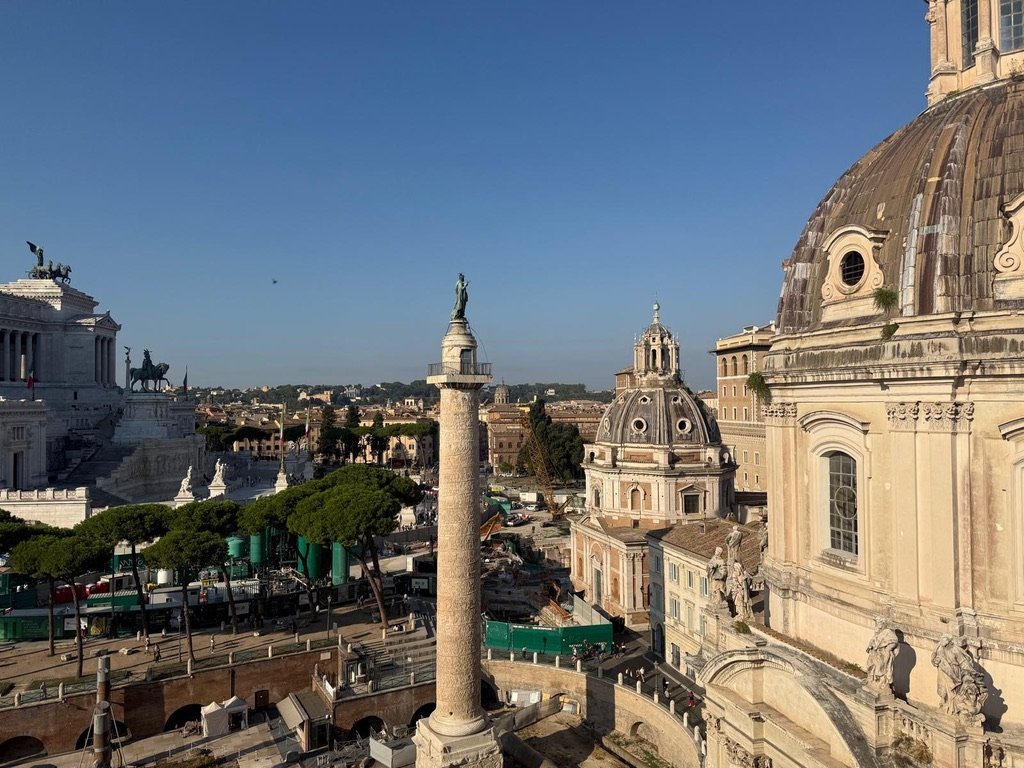
When I wake up here, the first thing I see is the top of Trajan’s Column, with Saint Peter on top, usually against a gorgeous blue sky. That’s the first thing I wake up to. We don’t draw the curtains and when I wake up, It’s tremendous.
I think life is just amazing.That’s what gets me up every morning.
If you could go back and meet yourself at fifteen, what advice would you give Anne at fifteen?
I think probably: “relax and have more fun during the journey.” I think I was always very high-pressure with myself.
But at the same time, maybe I wouldn’t tell myself that… My life has turned out fabulously! If I had done something differently when I was fifteen, maybe my life would have turned out differently. Things are really good the way they are.
The only thing I want now is that I don’t want to die. I just want to live forever, because I’m having so much fun!